
A common reaction to a type 2 diabetes diagnosis in Malaysia is the complete removal of white rice from daily meals. However, extreme restrictions are rarely sustainable and can lead to dietary imbalances over time. Effective glycemic control focuses on carbohydrate quality, portion control, and overall lifestyle balance rather than single-ingredient elimination.
Rethinking Carbohydrate Portions in Everyday Meals
Carbohydrates are a primary energy source, and managing them is about moderation rather than total exclusion. Utilizing the quarter-quarter-half plate model helps maintain balanced blood glucose levels after meals. Filling half your plate with non-starchy vegetables, one quarter with lean protein, and one quarter with complex carbohydrates creates a stable digestive rate.
The Role of Routine Physical Activity
Regular physical movement increases insulin sensitivity, allowing muscle cells to utilize available glucose more efficiently. Brisk walking for thirty minutes following meals helps blunt postprandial blood sugar spikes. Consistency in daily activity yields far greater long-term metabolic benefits than sporadic, high-intensity workouts.
Tracking Trends with Consistent Screening
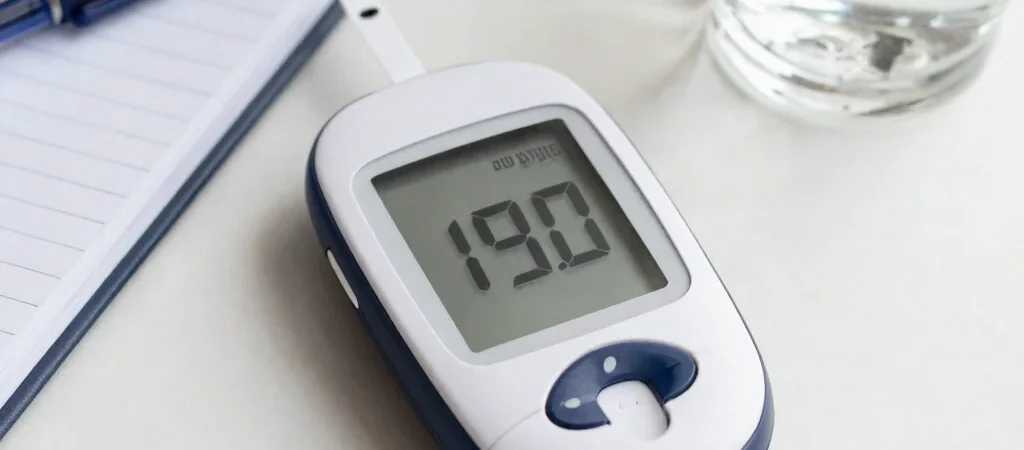
Self-monitoring of blood glucose provides immediate feedback on how specific foods and activities affect your body. Pair your daily log with routine HbA1c blood tests every three to six months to evaluate long-term blood sugar stability. Share these readings with your doctor during routine reviews to fine-tune your personalized care plan.