
Medically written and reviewed by: Dr Shathis Vengadasalam, MBBS
Published: 23 October 2026
Estimated reading time: 24 minutes
Type 2 diabetes is one of the most common long-term health conditions worldwide. According to the World Health Organization, approximately 830 million people worldwide were living with diabetes in 2022. Type 2 diabetes accounts for more than 95% of diabetes cases.
One of the greatest challenges with type 2 diabetes is that it can develop gradually, sometimes without noticeable symptoms. Many people discover they have diabetes only during a routine medical examination or after developing complications.
The encouraging news is that Type 2 diabetes can often be prevented or delayed, and people living with the condition can lead healthy, active lives with appropriate treatment and lifestyle changes.
In this article, we will explore what Type 2 diabetes is, why it develops, its early warning signs, how doctors diagnose it, and the steps you can take to manage or reduce your risk.
Table of Contents
What Is Type 2 Diabetes?
Type 2 diabetes mellitus (T2DM) is a chronic metabolic condition in which the level of glucose (sugar) in the blood becomes abnormally high.
Normal ranges depend on the test used. The following values use ADA criteria for non-pregnant adults; some national guidelines use different definitions of prediabetes.
- Fasting plasma glucose: approximately 3.9–5.5 mmol/L (70–99 mg/dL).
- Two hours after a 75-g oral glucose tolerance test, below 140 mg/dL (7.8 mmol/L) is within the normal glucose-tolerance range for non-pregnant adults; this is not the same as an ordinary after-meal reading.
- Random blood glucose varies with recent meals and other factors; there is no single universal normal random-glucose cutoff.
- HbA1c (average glucose exposure over two to three months): Below 5.7%
Glucose is an important source of energy for the body’s cells. Much of the glucose in our blood comes from carbohydrates in food, such as rice, bread, noodles, fruits, and other starchy or sugary foods.
To understand glucose regulation, it also helps to understand the hormone insulin.
Insulin is produced by β cells in the pancreas, which is an organ located behind the stomach. Its main function is to help regulate blood glucose levels by allowing glucose to enter certain cells and by reducing glucose production by the liver.
In type 2 diabetes, two major problems develop:
- Insulin resistance: The body’s cells become less responsive to insulin.
- Reduced insulin secretion: Over time, the pancreas may struggle to produce enough insulin to meet the body’s needs.
As a result, glucose accumulates in the bloodstream.
When blood glucose remains high over a prolonged period, it can damage blood vessels and nerves, increasing the risk of complications affecting the heart, kidneys, eyes, and feet.
Is Type 2 Diabetes the Same as Type 1 Diabetes?
No. Although both conditions cause elevated blood glucose, they develop through different mechanisms.
In type 1 diabetes, the immune system attacks the insulin-producing cells of the pancreas, resulting in the death of the pancreatic β cells and ultimately causing severe insulin deficiency.
In type 2 diabetes, the problems are insulin resistance and progressive dysfunction of the insulin-producing beta cells.
Type 2 diabetes is the most common form of diabetes worldwide. Diabetes prevalence varies substantially between countries and populations.
Type 2 diabetes can also affect adolescents and young adults, although it is more common in adults.
Rates of type 2 diabetes in younger people are a growing public-health concern; estimates vary by country, age group and study period.
What Causes Type 2 Diabetes?
Type 2 diabetes does not usually develop because of one single cause.
Instead, it results from a combination of genetic, metabolic, and lifestyle factors.
Insulin Resistance
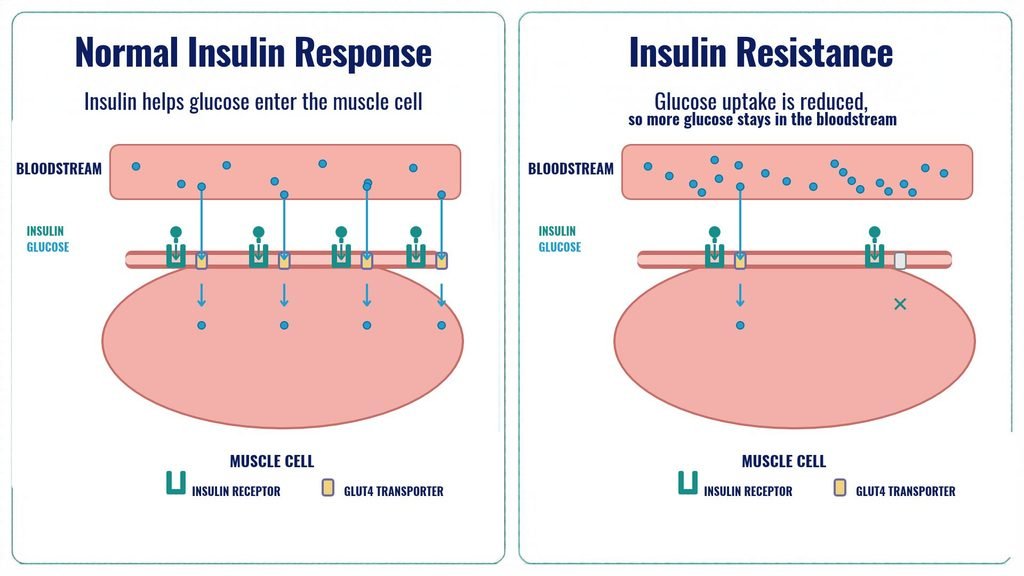
Think of insulin as a key that signals muscle and fat cells to take in glucose from the bloodstream.
- Normal: Insulin acts like a key, signalling muscle and fat cells to take up glucose from the bloodstream.
- Insulin resistance: The cell responds less effectively to insulin, as though the lock has become less responsive to the key. This is caused by a complex interaction of genetics, fat distribution, inflammation and changes in cellular signalling—not simply by eating sugar.
To compensate, the pancreas often produces more insulin for a time. Over time, however, the pancreas may become unable to produce sufficient insulin, causing blood glucose levels to rise.
Excess Body Fat
Excess Abdominal Fat and Insulin Resistance
Not all body fat has the same effect on metabolic health. Fat stored beneath the skin and fat stored deep within the abdomen behave differently.
Visceral fat is fat stored around internal organs. Excess visceral fat is particularly associated with insulin resistance.
It can contribute to:
- Increased inflammation
- Changes in fatty-acid metabolism
- Impaired insulin signalling
These changes make it harder for the body to regulate blood glucose levels.
However, people with a normal body weight can also develop insulin resistance and type 2 diabetes.
Some individuals may have excess visceral fat despite appearing lean. This is sometimes described as being “thin outside, fat inside.”
Other factors, including genetics, sleep, physical activity and muscle mass, also influence metabolic health.
Therefore, body weight alone does not determine diabetes risk. Waist circumference and other risk factors should also be considered.
Strong Genetic Influence
Family history is an important risk factor for developing Type 2 diabetes.
Your genes can influence how your body responds to insulin, regulates blood glucose and stores fat.
Some inherited genetic variations may increase insulin resistance or affect the pancreas’s ability to produce enough insulin over time.
Family history and diabetes risk
- One parent affected: An estimated 40% lifetime risk, according to research estimates.
- Both parents affected: An estimated 70% lifetime risk, based on the same research estimates.
- A sibling affected: Approximately 2.8 times the risk, according to a Swedish population study
These estimates come from different studies and populations. They do not predict an individual’s exact risk.
However, having a genetic predisposition does not mean you will inevitably develop Type 2 diabetes.
Regular screening can help identify diabetes or prediabetes early. Healthy eating, physical activity and maintaining a healthy weight, where appropriate, can help reduce the risk of developing Type 2 diabetes.
Physical Inactivity and a Sedentary Lifestyle
Regular physical activity helps your body regulate blood glucose levels and improves insulin sensitivity.
When you exercise, your muscles can take up more glucose from the bloodstream, even without an increase in insulin.
Physical activity also helps maintain muscle mass. Since muscles use glucose for energy, maintaining healthy muscles supports better blood glucose regulation.
In contrast, prolonged physical inactivity can contribute to insulin resistance and increase the risk of developing Type 2 diabetes.
Effects of Physical Inactivity
- Prolonged sitting: Spending long periods sitting with little movement can negatively affect blood glucose regulation.
- Reduced muscle activity: Inactive muscles use less glucose for energy, which may contribute to poorer blood glucose control.
- Increased insulin resistance: Regular physical inactivity can reduce the body’s sensitivity to insulin.
The good news is that even small increases in physical activity can make a difference.
Simple activities such as walking after meals, taking regular movement breaks and performing strength exercises can help improve blood glucose regulation and insulin sensitivity.
Dietary Patterns and Processed Foods
Your everyday eating habits can influence blood glucose regulation, insulin sensitivity and your risk of developing Type 2 diabetes.
Regular consumption of sugar-sweetened beverages and energy-dense, highly processed foods may contribute to excess calorie intake, weight gain and poorer metabolic health.
However, eating sugar does not automatically cause type 2 diabetes. Regularly consuming excess added sugar, particularly through sugary drinks, can increase the risk. The condition develops through several interacting factors, including genetics, insulin resistance, body fat distribution and lifestyle habits.
Dietary Factors That Influence Diabetes Risk
- Sugar-sweetened beverages: Soft drinks, sweetened teas and many packaged fruit drinks can contain substantial amounts of added sugar. Regular consumption is associated with an increased risk of Type 2 diabetes.
- Low-fibre diets: Diets lacking whole grains, legumes, fruits and vegetables may contribute to poorer blood glucose regulation.
- Highly processed foods: Frequent consumption of energy-dense, nutrient-poor foods can contribute to excess calorie intake and weight gain.
A balanced dietary pattern that includes vegetables, fruits, whole grains, legumes, appropriate protein sources and healthy fats can support metabolic health.
Rather than focusing on a single food, overall dietary patterns and long-term eating habits matter most.
Who Is at Risk of Developing Type 2 Diabetes?
Several factors can increase your risk of developing Type 2 diabetes, including:
- Being overweight or having excess abdominal fat
- Having a parent or sibling with Type 2 diabetes
- Increasing age
- Having high blood pressure or abnormal cholesterol levels
- Having prediabetes
- Having a history of gestational diabetes (diabetes during pregnancy)
- Having polycystic ovary syndrome (PCOS)
- Being physically inactive
- Belonging to certain populations with a higher risk of Type 2 diabetes, including some Asian populations
People of certain Asian ancestries may develop Type 2 diabetes at a lower body mass index (BMI) than people in some other populations.
Therefore, having a relatively low BMI does not necessarily mean someone has a low risk of developing Type 2 diabetes.
What Are the Early Signs and Symptoms of Type 2 Diabetes?
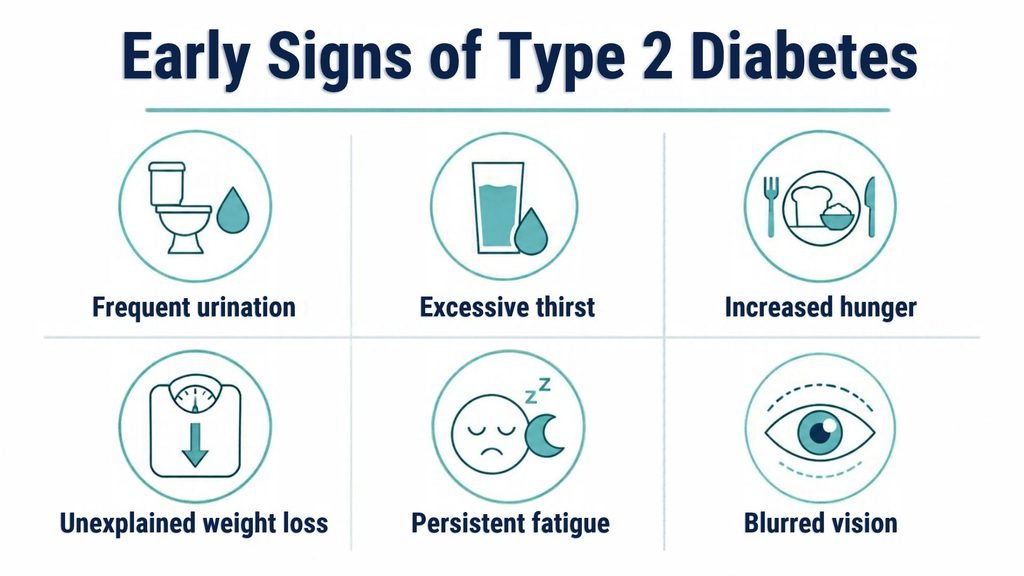
Type 2 diabetes often develops slowly. Some people experience symptoms for months or years before diagnosis; others have no noticeable symptoms.
Common warning signs include:
Frequent Urination (Polyuria)
When blood glucose becomes significantly elevated, the kidneys attempt to remove excess glucose through urine.
Glucose draws additional water into the urine, causing increased urination.
Some individuals may notice that they wake up several times during the night to urinate.
Excessive Thirst (Polydipsia)
Frequent urination can cause the body to lose more fluid.
This may result in dehydration and persistent thirst, even after drinking water.
Increased Hunger (Polyphagia)
Although glucose is present in the bloodstream, the body’s cells may not be able to use it efficiently.
Some individuals experience increased hunger, although this symptom is not present in everyone.
Unexplained Weight Loss
Some people lose weight without intentionally dieting or exercising. This can occur when the body cannot use glucose effectively and begins breaking down fat and muscle for energy.
Unexplained weight loss, particularly when accompanied by thirst and frequent urination, requires prompt medical assessment.
Persistent Fatigue
Poor glucose regulation, dehydration, and other metabolic changes may contribute to tiredness.
However, fatigue is a nonspecific symptom and can occur in many other medical conditions.
Blurred Vision
High blood glucose levels can temporarily alter fluid balance and the shape of the eye’s lens, causing blurred vision.
Over time, diabetes can also damage the small blood vessels in the retina, potentially leading to diabetic retinopathy.
Slow Wound Healing and Recurrent Infections
Persistently high blood glucose can interfere with immune function and wound healing.
Some individuals experience recurrent skin infections, fungal infections, or wounds that take longer than expected to heal.
The absence of these symptoms does not rule out Type 2 diabetes. Blood tests are needed to diagnose the condition reliably.
How Is Type 2 Diabetes Diagnosed?
Doctors diagnose diabetes using laboratory blood tests that measure glucose levels or glycated haemoglobin (HbA1c).
The commonly accepted diagnostic thresholds for non-pregnant adults are:
| Test | Diabetes threshold |
|---|---|
| Fasting plasma glucose (at least 8 hours without calories) | ≥7.0 mmol/L (≥126 mg/dL) |
| Laboratory HbA1c | ≥6.5% (48 mmol/mol) |
| Two-hour plasma glucose after a 75-g oral glucose tolerance test | ≥11.1 mmol/L (≥200 mg/dL) |
| Random plasma glucose with classic symptoms or a hyperglycaemic crisis | ≥11.1 mmol/L (≥200 mg/dL) |
A random blood glucose level of 11.1 mmol/L (200 mg/dL) or higher can establish a diabetes diagnosis when accompanied by classic symptoms, such as frequent urination, excessive thirst or unexplained weight loss.
The same threshold applies when a patient presents with a hyperglycaemic crisis.
In the absence of unequivocal hyperglycaemia, confirmatory testing is generally required.
These criteria are consistent with the American Diabetes Association’s 2026 diagnostic standards.
What Is the HbA1c Test?
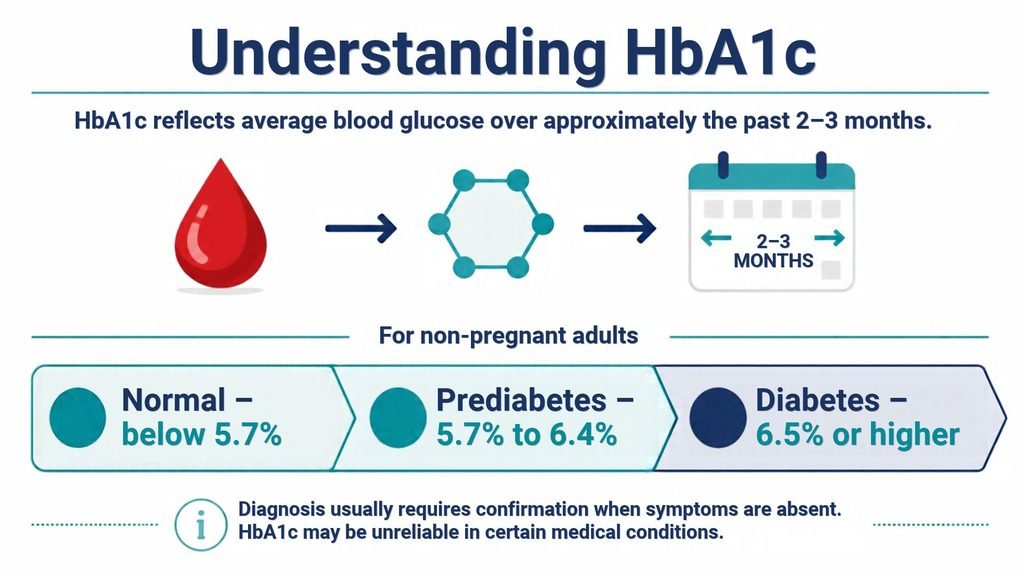
HbA1c is a blood test that estimates average blood glucose exposure over approximately the previous two to three months.
It measures the proportion of haemoglobin in red blood cells that has glucose attached to it.
Unlike a fasting glucose test, HbA1c generally does not require fasting.
However, HbA1c results may be less reliable in certain situations, including some forms of anaemia, haemoglobin disorders, pregnancy and conditions that affect red blood cell turnover.
This is particularly relevant in populations where haemoglobin variants and thalassaemia are more common.
Doctors may use plasma glucose-based testing when HbA1c is unsuitable.
What Is Prediabetes?
Prediabetes occurs when blood glucose levels are higher than normal but not high enough to meet the diagnostic criteria for diabetes.
It is an important warning sign because people with prediabetes have an increased risk of developing Type 2 diabetes. However, progression to diabetes is not inevitable.
Healthy eating, regular physical activity and weight management, where appropriate, can significantly reduce the risk of developing Type 2 diabetes.
How Is Type 2 Diabetes Treated?

Treatment for Type 2 diabetes aims to manage blood glucose levels, relieve symptoms, prevent complications and improve long-term health.
Management usually combines healthy lifestyle habits, appropriate medication and regular medical follow-up.
Healthy Eating
There is no single diet that is suitable for every person with Type 2 diabetes.
A healthy eating plan should consider personal preferences, cultural food habits, nutritional needs, and other medical conditions.
Practical recommendations include:
- Eating more non-starchy vegetables like spinach, cucumber, kale, lettuce, broccoli
- Choosing whole grains and higher-fibre carbohydrates when possible
- Including adequate protein from fish, eggs, legumes, tofu, or lean meat
- Limiting sugar-sweetened drinks
- Reducing excessive portions of refined carbohydrates
- Choosing healthier fats and limiting saturated fat
- Maintaining appropriate portion sizes
This does not mean that rice, bread, or noodles must be completely avoided.
Instead, focus on portion control, meal balance, and overall carbohydrate intake.
A practical approach to balanced eating is the healthy plate method, which can be adapted to different cuisines, cultural preferences, and nutritional needs worldwide.
- Half your plate: Non-starchy vegetables, such as broccoli, spinach, carrots, cabbage, or leafy greens.
- One quarter of your plate: Protein-rich foods, such as fish, chicken, eggs, tofu, beans, or lentils.
- One quarter of your plate: Carbohydrate-rich foods, such as rice, potatoes, whole-grain bread, pasta, or tortillas.
Portions should be adjusted to individual nutritional requirements.
Regular Physical Activity
Regular physical activity improves insulin sensitivity and helps your muscles use glucose more effectively.
The World Health Organization recommends that adults aim for 150–300 minutes of moderate-intensity aerobic activity per week. Examples include brisk walking, cycling and swimming.
Strength training is also beneficial. Exercises using resistance bands, weights or your own body weight can improve muscle strength and glucose regulation. Aim for muscle-strengthening activities on at least two days per week.
If you have been physically inactive, start with manageable activities, such as a 10-minute walk, and gradually increase your activity level.
People with significant heart disease, advanced diabetes complications or other medical limitations should discuss appropriate exercise plans with their healthcare professional.
Weight Management
For people with Type 2 diabetes who are overweight, losing even a modest amount of body weight can improve insulin sensitivity and blood glucose control.
A sustained weight loss of approximately 5% of body weight can provide meaningful health benefits. Greater weight loss may offer additional improvements and, in some individuals, may lead to Type 2 diabetes remission.
However, not everyone with Type 2 diabetes needs to lose weight. Weight management should be individualised, focusing on improving metabolic health rather than on achieving an unrealistic body weight.
Medication
Lifestyle changes are essential in managing Type 2 diabetes, but many people also require medication to achieve appropriate blood glucose control.
The choice of medication depends on individual health needs, including blood glucose levels, cardiovascular health, kidney function, body weight and treatment preferences.
Common medications used to treat Type 2 diabetes include:
- Metformin: Reduces glucose production by the liver and helps improve blood glucose control. It is widely prescribed, although it may not be the most appropriate initial treatment for everyone.
- SGLT2 inhibitors (gliflozins): Help the kidneys remove excess glucose through urine. Certain medications in this group also provide important heart and kidney benefits for eligible patients.
- GLP-1 receptor agonists: Improve glucose-dependent insulin secretion, reduce appetite and can support weight loss. Some medications in this group also reduce cardiovascular risk in appropriate patients.
- Other glucose-lowering medications: Include DPP-4 inhibitors and sulfonylureas. These may be prescribed depending on individual treatment needs.
- Insulin: May be necessary when blood glucose levels are very high, symptoms are significant or other treatments do not provide adequate control.
Treatment should be individualised according to medical needs, medication tolerance, affordability and patient preferences.
Never stop or change prescribed diabetes medication without consulting your treating healthcare professional.
What Is a Good HbA1c Target?
For many non-pregnant adults with Type 2 diabetes, an HbA1c target of below 7% may be appropriate. However, this is not a universal target.
A less stringent target may be suitable for some older adults, particularly those who are frail, individuals with significant medical conditions, or those at high risk of hypoglycaemia (low blood glucose).
Other individuals may benefit from a more stringent target if it can be achieved safely.
Your healthcare professional should help establish an individualised HbA1c goal.
What Happens if Type 2 Diabetes Is Not Controlled?
Potential Complications of Diabetes
Over time, poorly controlled diabetes can damage blood vessels and nerves, increasing the risk of complications affecting the eyes, kidneys, heart, brain and feet.
Blood vessel complications are commonly classified into two categories: microvascular complications, which affect small blood vessels, and macrovascular complications, which affect larger blood vessels.
Small Blood Vessel Complications (Microvascular)
When high blood sugar damages the tiny blood vessels supplying delicate organs, it leads to:
Eye Damage (Diabetic Retinopathy): High blood glucose can damage the small blood vessels in the retina, the light-sensitive tissue at the back of the eye. Over time, diabetic retinopathy can cause blurred vision and potentially lead to vision loss if left untreated.
Key Step: Arrange an eye examination when Type 2 diabetes is diagnosed, then attend follow-up screening at the interval recommended by your eye care professional.
Kidney Damage (Diabetic Nephropathy)
Persistently high blood glucose can damage the kidneys’ filtering structures, reducing their ability to remove waste and excess fluid from the blood. Over time, this can contribute to chronic kidney disease and, in severe cases, kidney failure requiring dialysis or a kidney transplant.
Key Step: Regular urine and blood tests help catch kidney changes early.
Nerve Damage (Diabetic Neuropathy)
Long-term diabetes can damage nerves, particularly those supplying the feet. This may cause numbness, tingling, burning sensations or reduced ability to feel pain.
As a result, minor cuts, blisters or injuries may go unnoticed, increasing the risk of foot ulcers and infections.
Key Step: Regular foot examinations and daily self-checks for cuts, blisters or injuries.
Large Blood Vessel Complications (Macrovascular)
Diabetes increases the risk of atherosclerotic disease in larger arteries, which can lead to:
Heart Disease & Stroke
Atherosclerosis occurs when fatty deposits build up inside the arteries, narrowing the blood vessels that supply vital organs. In people with Type 2 diabetes, this increases the risk of cardiovascular complications, including heart attacks and strokes.
Key Step: Manage blood glucose, blood pressure and cholesterol levels. Avoid smoking and attend regular medical reviews.
Large Blood Vessel and Diabetic Foot Complications
Diabetes can cause foot problems through a combination of nerve damage, reduced blood circulation and impaired wound healing. Minor injuries may go unnoticed and can develop into ulcers or serious infections.
In severe cases, untreated complications may lead to tissue damage and amputation.
Key Step: Check your feet daily for cuts, blisters, redness or wounds. Wear protective footwear and seek prompt medical attention for any foot injury, especially if you have reduced sensation.
Can Type 2 Diabetes Be Prevented?
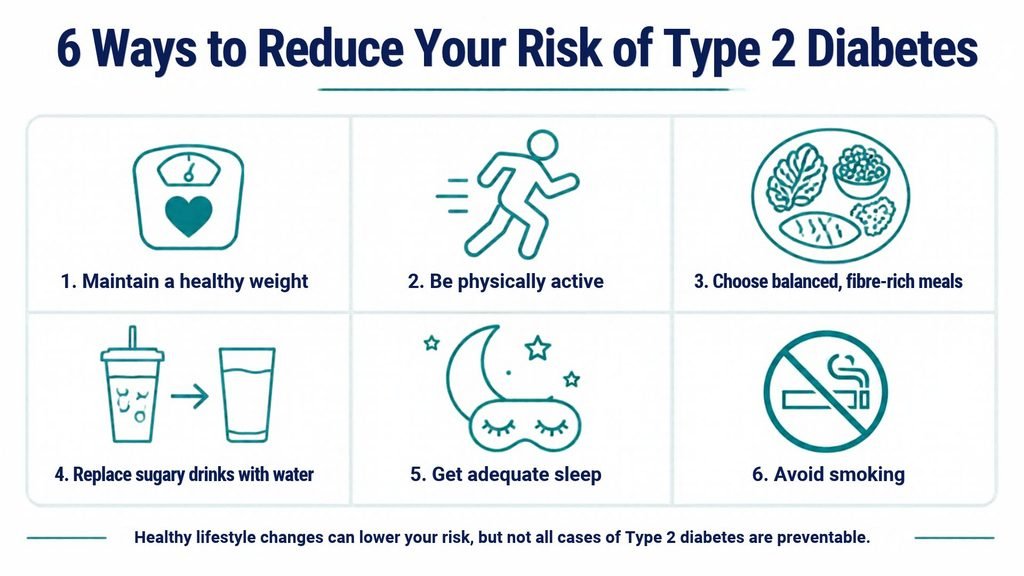
You can prevent or delay many cases of Type 2 diabetes through lifestyle changes, although prevention is not guaranteed.
The most effective strategies include:
- Maintain a healthy body weight. If you are overweight, gradual and sustainable weight loss can reduce your risk.
- Exercise regularly. Aim for at least 150 minutes of moderate activity weekly, according to your ability.
- Improve your diet. Choose more fibre-rich foods, vegetables, and minimally processed foods while limiting sugary drinks.
- Get adequate sleep. Aim for around 7–9 hours of sleep each night, as poor sleep can affect insulin sensitivity and metabolic health.
- Avoid smoking. Smoking increases cardiovascular risk and is associated with Type 2 diabetes.
- Get screened when appropriate. Screening can help identify prediabetes or Type 2 diabetes early, especially if you have a family history or other risk factors.
You do not need to change everything overnight.
Small, consistent improvements are usually more sustainable than extreme dieting or exercise programs.
Can Type 2 Diabetes Be Reversed?
Some people with Type 2 diabetes can achieve diabetes remission, particularly following substantial and sustained weight loss.
Diabetes remission is generally defined as an HbA1c below 6.5% (48 mmol/mol), measured at least three months after stopping glucose-lowering medication.
However, remission is not the same as a permanent cure.
Blood glucose may rise again, especially if weight is regained or insulin-producing cell function declines.
People in remission still require periodic medical monitoring and appropriate complication screening.
When Should You See a Doctor?
Arrange a medical appointment promptly if you experience:
- Persistent excessive thirst
- Frequent urination
- Unexplained weight loss
- Recurrent infections
- Persistent blurred vision
- Unusual fatigue accompanied by other diabetes symptoms
You should also discuss diabetes screening if you have significant risk factors, even without symptoms.
When Is Diabetes an Emergency?
Diabetic ketoacidosis (DKA), hyperosmolar hyperglycaemic state (HHS) and severe hypoglycaemia are potentially life-threatening emergencies.
Seek emergency medical care immediately if you develop the following warning signs:
High Blood Glucose Emergencies (DKA or HHS)
DKA occurs when ketones accumulate in the blood and cause metabolic acidosis, while HHS is characterised by extremely high blood glucose, increased blood concentration (hyperosmolality) and severe dehydration.
DKA can sometimes occur without very high glucose, particularly in people taking SGLT2 inhibitors. Do not wait for a high meter reading before seeking help if you are seriously unwell.
- Severe abdominal pain or persistent vomiting, especially if you have diabetes or are taking an SGLT2 inhibitor.
- Rapid, Deep Breathing: Unusually deep, laboured breathing, sometimes accompanied by a fruity smell on the breath. This can be a warning sign of diabetic ketoacidosis (DKA).
- Severe Dehydration: Very dry mouth, extreme thirst, markedly reduced urination, or an inability to keep fluids down due to persistent vomiting.
- Confusion and Drowsiness: Extreme sluggishness, disorientation, or difficulty staying awake.
Emergency Action: If you experience severe vomiting, rapid or deep breathing, confusion, or signs of severe dehydration, seek emergency medical care immediately. Do not wait for your blood glucose reading to become extremely high.
Low Blood Sugar Emergencies (Severe Hypoglycaemia)
Severe hypoglycaemia occurs when blood glucose falls to a level that causes serious impairment and requires assistance from another person. Warning signs may include:
- Seizures or Convulsions: Uncontrolled shaking or seizure activity.
- Loss of Consciousness: Fainting, passing out, or becoming unresponsive.
- Severe Confusion or Inability to Function: Difficulty speaking, behaving unusually, or being unable to swallow safely or manage the situation without assistance.
Emergency Action: Call an ambulance immediately if the person is unconscious, having a seizure, or unable to swallow safely. Do not give food or drink by mouth. If severe hypoglycaemia is suspected and glucagon is available, someone who knows how to administer it should give it according to the product instructions while waiting for emergency assistance. Place an unconscious person who is breathing normally in the recovery position.
Key Takeaways
- Type 2 diabetes develops when the body becomes resistant to insulin and the pancreas cannot produce enough insulin to compensate.
- Common symptoms include frequent urination, excessive thirst, fatigue, and blurred vision, although some people have no symptoms.
- Diagnosis involves laboratory tests such as fasting plasma glucose and HbA1c.
- Healthy eating, regular physical activity, weight management, and medication can help control diabetes.
- Poorly controlled diabetes can damage the heart, kidneys, eyes, nerves, and feet.
- Regular diabetes monitoring, complication screening and timely treatment can help reduce the risk of serious complications.
- Type 2 diabetes can sometimes enter remission, but ongoing follow-up remains important.
Frequently Asked Questions About Type 2 Diabetes
Can I have Type 2 diabetes without symptoms?
Yes. Many people have no obvious symptoms during the early stages. This is why screening is important for individuals with risk factors.
Does eating too much sugar cause diabetes?
Type 2 diabetes develops through multiple factors, including genetics, insulin resistance, body composition, and lifestyle. Regularly consuming excess calories and sugary beverages can increase risk, but sugar consumption alone does not explain every case.
Can people with Type 2 diabetes eat rice?
Yes. Rice can be included in a balanced diabetes meal plan. Portion size, carbohydrate quantity, meal composition, and individual blood glucose responses are important.
Will I need diabetes medication for the rest of my life?
Not necessarily. Medication requirements can change depending on glucose control, weight changes, other medical conditions, and treatment response. Some people achieve remission. However, medications should never be discontinued without professional medical guidance.
How often should I check my HbA1c?
For many patients, HbA1c is measured approximately every three months when treatment is changing or targets are not being met. When glucose levels are stable and you have achieved your targets, your doctor may recommend testing every six months. Your doctor may recommend a different schedule.
Final Thoughts
A diagnosis of Type 2 diabetes can feel overwhelming, but it is a condition that can often be managed effectively.
Understanding how diabetes develops, recognising its warning signs, and taking practical steps to improve your lifestyle are important foundations of long-term health.
The most important message is that early detection, consistent management, and regular medical follow-up can make a meaningful difference.
Whether you are trying to prevent diabetes or already living with the condition, start with realistic changes that you can maintain.
About the Author
Dr. Shathis Vengadasalam (MBBS) is a fully registered medical doctor in Malaysia and a postgraduate student pursuing a master’s in medical physiology.
Through Dr. Shathis explains, he aims to make medical knowledge easier to understand, with a focus on common primary care conditions, disease prevention, and practical health education for the general public.
Medical Disclaimer
This article is intended for general health education and does not replace professional medical advice, diagnosis, or treatment.
Medical recommendations may vary according to individual health conditions, age, pregnancy status, medications, and other clinical factors.
Always consult a qualified healthcare professional for personalised medical advice. Seek emergency medical care if you develop symptoms of a serious medical condition.
References and Further Reading
- American Diabetes Association. Diagnosis and Classification of Diabetes: Standards of Care in Diabetes—2026. Diabetes Care 49 (Suppl 1):S27–S49.
- World Health Organization. Diabetes fact sheet (2024).
- Centers for Disease Control and Prevention. Type 2 Diabetes.
- American Diabetes Association. Standards of Care in Diabetes—2026.
- American Diabetes Association. International consensus on diabetes remission (2021).