
Hypertension is often called a silent condition because high arterial pressure rarely produces clear early warning symptoms. Left unmanaged over time, elevated pressure strains the heart, blood vessels, and kidneys. Incorporating evidence-informed habits into daily routines helps keep blood pressure within a healthy target range.
Identifying Hidden Sodium in Daily Meals
Excess sodium intake causes fluid retention, which directly elevates arterial blood pressure. Commercial sauces, processed stocks, and hawker gravies frequently contain hidden sodium far exceeding daily recommended limits. Requesting gravies on the side and cooking with fresh herbs can substantially lower overall daily sodium intake.
Incorporating Low-Impact Movement into Busy Schedules
Aerobic exercise helps keep arterial walls flexible and improves cardiac efficiency. Engaging in moderate physical activity such as swimming, cycling, or fast walking for 150 minutes per week supports lower resting blood pressure. Spreading this activity across five daily thirty-minute sessions makes it easy to fit into busy work routines.
Establishing Consistency with Home Blood Pressure Checks
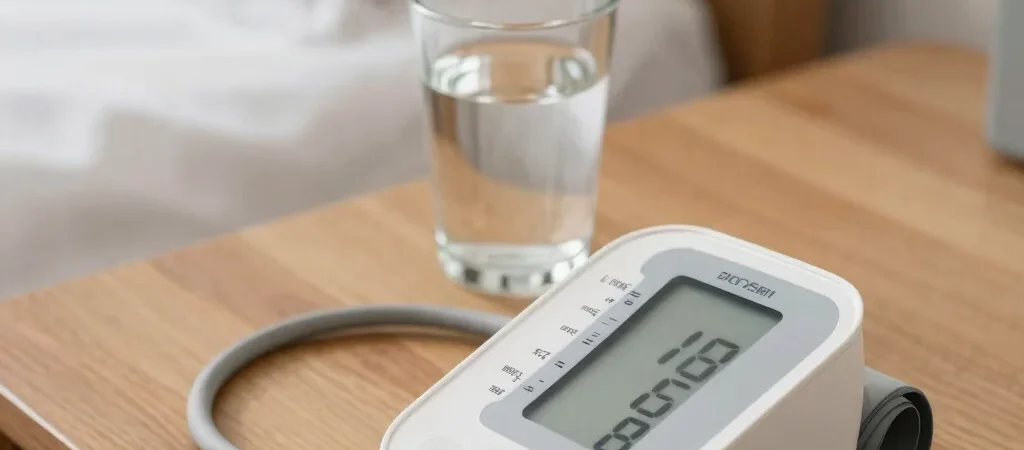
Monitoring your blood pressure at home offers an accurate reflection of your everyday readings away from clinic anxiety. Take measurements twice daily at consistent times while seated calmly with your arm supported at heart level. Record these readings in a logbook to review with your healthcare provider during routine visits.