
Medically written and reviewed by: Dr. Shathis Vengadasalam, MBBS
Published: November 23, 2026
Estimated reading time: 34 minutes
Type 2 diabetes is a common, long-term health condition that can develop silently over several years. Many people associate diabetes with excessive thirst and frequent urination, but the early warning signs are not always obvious.
In fact, some people with Type 2 diabetes experience no noticeable symptoms at all. Their elevated blood sugar levels may only be discovered during routine health screenings or blood tests performed for other reasons.
This is why it is so important to recognise the possible warning signs and know when to get tested.
Early detection of Type 2 diabetes allows timely treatment and can help reduce the risk of long-term complications.
In this article, we will explore 10 possible signs and symptoms of Type 2 diabetes, explain why they occur, and discuss when you should seek medical advice.
Table of Contents
What Happens in the Body During Type 2 Diabetes?
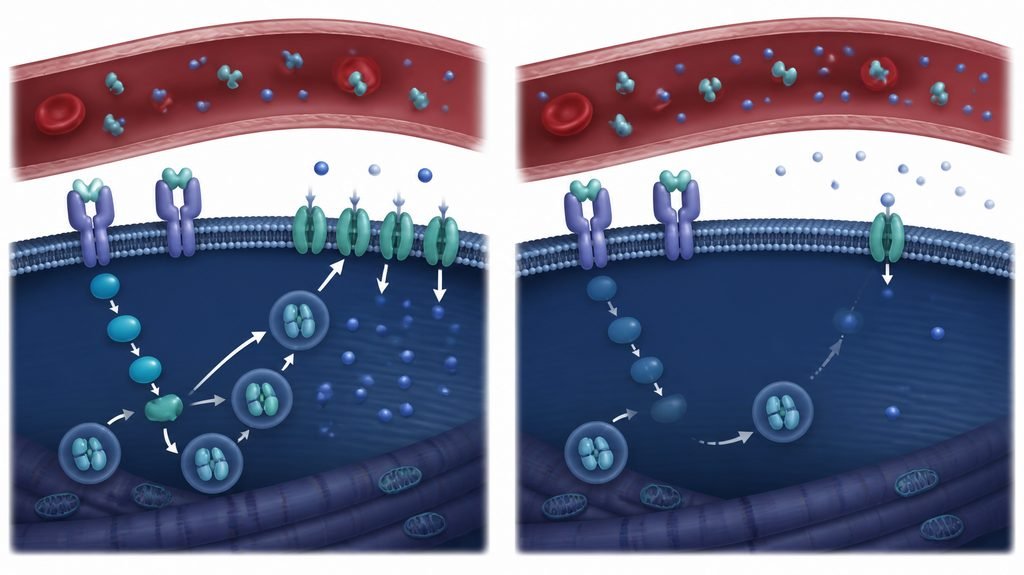
Before exploring the warning signs, it helps to understand what happens inside the body when someone develops Type 2 diabetes.
Glucose, commonly known as blood sugar, is an important source of energy for the body’s cells. Insulin is a hormone produced by specialised cells in the pancreas called beta cells. It helps regulate blood sugar levels by allowing glucose to enter certain cells, particularly muscle and fat cells.
In Type 2 diabetes, the body’s cells become less responsive to insulin. This condition is known as insulin resistance.
Initially, the pancreas tries to compensate by producing more insulin. However, over time, the pancreatic beta cells may struggle to produce enough insulin to meet the body’s needs.
As a result, glucose begins to accumulate in the bloodstream, leading to high blood sugar levels (hyperglycaemia).
When blood sugar remains elevated, symptoms such as frequent urination, excessive thirst, fatigue, and blurred vision may develop.
For a broader explanation of the condition, read our comprehensive guide to Type 2 diabetes, including its causes, diagnosis, and management.
However, these changes often occur gradually, and some people may not experience any noticeable symptoms for years.
1. Frequent Urination, Especially at Night (Polyuria)
Frequent urination is one of the classic warning signs of Type 2 diabetes. You may notice that you need to visit the bathroom more often, particularly during the night.
Why Does Type 2 Diabetes Cause Frequent Urination?
When blood sugar levels become significantly elevated, the kidneys may be unable to reabsorb all the glucose filtered from the bloodstream.
As a result, excess glucose passes into the urine. This glucose draws additional water into the urine through a process called osmotic diuresis.
This leads to increased urine production, medically known as polyuria.
Key Signs to Recognise
- Urinating more often: Needing to visit the bathroom more frequently than usual.
- Waking up at night (nocturia): Getting out of bed repeatedly to urinate, potentially disrupting your sleep.
- Passing larger amounts of urine: Noticing an increase in the amount of urine produced, rather than simply experiencing frequent urges to urinate.
Medical Note
Frequent urination does not always mean you have diabetes. Other possible causes include urinary tract infections (UTIs), an enlarged prostate, certain medications such as diuretics, and excessive fluid intake.
However, if you experience persistent frequent urination, especially when accompanied by excessive thirst, consult a healthcare professional for blood glucose testing.
2. Excessive Thirst (Polydipsia)
Feeling unusually thirsty, even after drinking plenty of water, can be an important warning sign of Type 2 diabetes.
This condition is medically known as polydipsia.
Why Does Type 2 Diabetes Cause Excessive Thirst?
When blood sugar levels become significantly elevated, excess glucose passes into the urine, drawing additional water with it through a process called osmotic diuresis.
As the body loses more water through frequent urination, dehydration may develop.
In response, a region of the brain called the hypothalamus detects changes in the body’s fluid balance and stimulates the sensation of thirst.
This explains why people with uncontrolled diabetes may experience a continuous cycle of excessive thirst and frequent urination.
Key Signs to Recognise
- Persistent thirst: Feeling unusually thirsty even after drinking water.
- Dry mouth: Experiencing persistent dryness in the mouth, sometimes accompanied by increased fluid intake.
- Increased water consumption: Drinking considerably more fluids than usual throughout the day.
- Thirst accompanied by frequent urination: Noticing that increased fluid intake is associated with passing larger amounts of urine.
Medical Note
Excessive thirst can also occur because of hot weather, physical activity, dehydration, certain medications, or other medical conditions.
However, if you experience persistent excessive thirst together with frequent urination, arrange a medical consultation and blood glucose testing.
If you develop severe dehydration, confusion, or reduced consciousness, seek emergency medical attention.
3. Persistent Exhaustion and Fatigue
Feeling unusually tired or exhausted, even after getting enough rest, can be an early warning sign of Type 2 diabetes.
This persistent tiredness, commonly known as fatigue, may affect your ability to concentrate, work, exercise, or perform everyday activities.
Why Does Type 2 Diabetes Cause Fatigue?
Under normal circumstances, insulin helps glucose enter muscle and fat cells, where it can be used or stored for energy.
In Type 2 diabetes, insulin resistance reduces the ability of these cells to respond effectively to insulin. This can disrupt normal glucose utilisation and energy metabolism.
However, fatigue in diabetes is not simply caused by a lack of glucose entering cells. Several factors may contribute, including:
- High blood sugar levels: Poorly controlled blood glucose may contribute to tiredness and reduced physical well-being.
- Dehydration: Excessive urination can cause fluid loss, leaving you feeling weak and exhausted.
- Disrupted sleep: Frequent nighttime urination may interrupt sleep and contribute to daytime fatigue.
Together, these factors can make a person feel persistently tired, even after adequate rest.
Key Signs to Recognise
- Persistent tiredness: Feeling unusually exhausted despite getting sufficient sleep.
- Reduced energy levels: Finding everyday activities more tiring than usual.
- Difficulty concentrating: Experiencing reduced mental alertness or difficulty focusing on daily tasks.
Medical Note
Fatigue is a common symptom that can occur for many reasons, including anaemia, thyroid disorders, poor sleep, stress, and other medical conditions.
Therefore, fatigue alone does not confirm Type 2 diabetes.
However, if persistent fatigue occurs alongside frequent urination, excessive thirst, or unexplained weight loss, consult a healthcare professional for an appropriate assessment, including blood glucose testing.
4. Blurred and Fluctuating Vision
Have you noticed that your vision occasionally becomes blurry, even when wearing your usual glasses?
Blurred or fluctuating vision can be a warning sign of elevated blood sugar levels, particularly when the changes occur unexpectedly.
Why Does Type 2 Diabetes Cause Blurred Vision?
The lens of the eye helps focus light onto the retina, allowing us to see objects clearly.
When blood sugar levels become significantly elevated, changes in glucose concentration within the lens can alter its fluid balance and optical properties.
These changes affect how the lens focuses light, resulting in temporary blurred or fluctuating vision.
As blood sugar levels change, the degree of blurring may also vary.
In some cases, vision gradually improves once blood glucose levels become more stable. However, this improvement may take several weeks.
It is also important to distinguish temporary changes in the lens from diabetic retinopathy, a condition in which persistently elevated blood glucose damages the small blood vessels of the retina over time.
Diabetic retinopathy may develop without noticeable symptoms in its early stages, which is why regular diabetic eye examinations are important.
Key Signs to Recognise
- Fluctuating vision: Your eyesight becomes blurry or clearer at different times.
- Difficulty focusing: Reading small print or viewing distant objects becomes more difficult than usual.
- Changes in visual clarity: Your usual prescription glasses may temporarily seem less effective.
Medical Note
Blurred vision can also occur because of refractive errors, cataracts, dry eyes, and other eye conditions.
Therefore, blurred vision alone does not confirm Type 2 diabetes.
However, if you experience persistent or unexplained changes in vision, consult a healthcare professional for an eye assessment and appropriate blood glucose testing.
Sudden loss of vision, a new dark curtain across your vision, or sudden severe visual disturbances require immediate emergency medical assessment.
5. Unexplained and Rapid Weight Loss
Losing weight without changing your diet, exercise routine, or daily activities may seem surprising. However, unexplained weight loss can be a warning sign of diabetes, particularly when blood sugar levels are significantly elevated.
Although weight loss is more commonly associated with Type 1 diabetes, it can also occur in people with Type 2 diabetes, especially when the condition is poorly controlled or remains undiagnosed.
Why Does Type 2 Diabetes Cause Unexplained Weight Loss?
Under normal circumstances, insulin helps the body use and store nutrients, including glucose and fat.
However, when insulin becomes insufficient to meet the body’s needs, particularly in more severe or advanced diabetes, it disrupts normal energy metabolism.
Several mechanisms may contribute to unexplained weight loss:
- Increased fat breakdown: Reduced insulin activity allows the body to break down stored fat more readily for energy.
- Muscle protein breakdown: Significant insulin deficiency can increase protein breakdown, contributing to muscle loss and weakness.
- Loss of calories through urine: When blood sugar levels become very high, excess glucose passes into the urine. Because glucose contains energy, losing it through urine also means losing calories.
- Dehydration: Increased urination causes fluid loss, which may contribute to a rapid reduction in body weight.
Together, these changes can cause noticeable weight loss, even when a person has not intentionally reduced their food intake.
Key Signs to Recognise
- Unintentional weight loss: Losing weight without dieting or increasing physical activity.
- Rapid changes in body weight: Noticing a significant reduction in weight over a relatively short period.
- Muscle weakness: Feeling physically weaker or noticing reduced muscle mass alongside weight loss.
- Weight loss despite a normal or increased appetite: Losing weight even though you continue eating your usual amount of food or feel hungrier than normal.
Medical Note
Unexplained weight loss does not always indicate diabetes. Other possible causes include an overactive thyroid gland (hyperthyroidism), gastrointestinal disorders, chronic infections, and other medical conditions.
However, unexplained weight loss should never be ignored, particularly when accompanied by excessive thirst, frequent urination, or persistent fatigue.
Arrange a prompt medical assessment to identify the underlying cause.
If rapid weight loss occurs alongside vomiting, abdominal pain, deep or rapid breathing, or confusion, seek emergency medical attention, as these may indicate a serious metabolic complication.
6. Constant Hunger (Polyphagia)
Feeling unusually hungry, even shortly after eating a full meal, can sometimes be a warning sign of Type 2 diabetes.
This excessive hunger is medically known as polyphagia.
Although increased appetite can occur in people with diabetes, it is not experienced by everyone and may be more noticeable when blood sugar levels are poorly controlled.
Why Does Type 2 Diabetes Cause Increased Hunger?
Under normal circumstances, insulin helps regulate how the body uses and stores nutrients after a meal.
Insulin also plays a role in appetite regulation by influencing the signalling pathways involved in hunger and fullness.
In Type 2 diabetes, insulin resistance can disrupt normal metabolic regulation, while insufficient insulin activity may reduce glucose uptake in certain tissues.
When diabetes becomes more severe or poorly controlled, the body may also lose significant amounts of glucose through urine, resulting in a loss of calories.
These metabolic disturbances may contribute to increased hunger in some individuals.
However, appetite regulation is complex and involves several hormones and brain regions, including the hypothalamus. Therefore, excessive hunger cannot be explained simply by assuming that all body cells are deprived of glucose.
Key Signs to Recognise
- Persistent hunger: Feeling hungry more frequently than usual, even after eating regular meals.
- Difficulty feeling satisfied: Experiencing hunger again shortly after finishing a meal.
- Increased food intake: Eating larger portions or more frequently because of an unusually strong appetite.
- Hunger accompanied by other symptoms: Experiencing increased appetite alongside excessive thirst, frequent urination, or unexplained weight loss.
Medical Note
Increased hunger does not necessarily mean you have diabetes.
Other possible causes include inadequate food intake, poor sleep, stress, certain medications, and an overactive thyroid gland (hyperthyroidism).
Persistent excessive hunger, especially when accompanied by unexplained weight loss, frequent urination, or excessive thirst, warrants medical assessment and appropriate blood glucose testing.
7. Slow-Healing Cuts and Wounds
Have you noticed that a small cut, scratch, or wound takes longer than expected to heal?
Slow wound healing can be a warning sign of Type 2 diabetes, particularly when blood sugar levels have remained elevated for a prolonged period.
Although minor injuries usually heal through the body’s natural repair processes, persistently high blood sugar can interfere with these mechanisms.
Why Does Type 2 Diabetes Cause Slow Wound Healing?
Normal wound healing involves several coordinated processes, including inflammation, immune cell activity, the formation of new blood vessels, and tissue repair.
In people with poorly controlled diabetes, several factors can interfere with these processes:
- Impaired immune function: Persistently elevated blood glucose can reduce the ability of certain white blood cells to respond effectively to infections.
- Reduced circulation: Diabetes-related blood vessel disease can reduce blood flow to affected tissues, limiting the delivery of oxygen and nutrients needed for healing.
- Disrupted tissue repair: High blood sugar can interfere with the normal function of cells involved in wound healing, including fibroblasts, which help produce collagen and repair damaged tissue.
- Nerve damage: Diabetic peripheral neuropathy can reduce sensation, particularly in the feet. As a result, minor injuries may go unnoticed and worsen before they receive appropriate care.
Together, these factors can delay wound healing and increase the risk of complications, including infections.
Key Signs to Recognise
- Cuts that heal slowly: Minor injuries taking longer than expected to close or improve.
- Persistent sores: Wounds that remain open or repeatedly break down.
- Foot wounds: Blisters, cuts, or sores on the feet that are slow to heal or may go unnoticed because of reduced sensation.
- Signs of infection: Increasing redness, swelling, warmth, pain, or discharge from a wound.
Medical Note
Slow wound healing does not always indicate diabetes. Other possible causes include poor circulation, nutritional deficiencies, certain medications, and other medical conditions.
However, a wound that is not healing properly should be assessed by a healthcare professional, especially if you have other symptoms or risk factors for diabetes.
If you develop a foot ulcer, seek prompt medical attention rather than waiting for it to heal on its own.
Urgent Warning:
Rapidly spreading redness, fever, severe pain, or signs of a serious wound infection require urgent medical evaluation.
8. Recurrent and Persistent Infections
Do you frequently experience infections that seem to return even after treatment?
Recurrent or persistent infections can sometimes be a warning sign of Type 2 diabetes, particularly when blood sugar levels remain poorly controlled.
Although infections can occur in anyone, people with diabetes may be more susceptible to certain bacterial and fungal infections.
Why Does Type 2 Diabetes Increase the Risk of Infections?
The immune system protects the body against harmful microorganisms, including bacteria and fungi.
However, persistently elevated blood sugar levels can interfere with several important immune defence mechanisms.
Several factors may contribute to an increased risk of infections:
- Impaired white blood cell function: High blood glucose can interfere with the ability of certain immune cells, particularly neutrophils, to move towards, engulf, and destroy harmful microorganisms.
- Increased susceptibility to fungal infections: Elevated glucose levels and changes in the local tissue environment may encourage the growth of certain fungi, particularly Candida species, which can cause yeast infections.
- Reduced tissue defence: Diabetes-related circulation problems, when present, can limit the delivery of oxygen and immune cells to affected tissues, making infections more difficult to resolve.
- Altered local conditions: Glucose in the urine and other changes associated with diabetes may contribute to an increased risk of certain urinary and genital infections.
Together, these factors may increase susceptibility to infections and, in some cases, make them more difficult to treat.
Key Signs to Recognise
- Recurrent fungal infections: Frequent vaginal yeast infections, genital fungal infections, or oral thrush.
- Repeated urinary tract infections: Experiencing urinary infections that recur or require repeated medical treatment.
- Frequent skin infections: Recurrent boils, infected hair follicles, or other bacterial skin infections.
- Infections that are slow to resolve: Infections that persist, worsen, or return despite appropriate treatment.
Medical Note
Recurrent infections do not necessarily mean you have diabetes.
Other possible causes include immune system disorders, antibiotic use, certain medications, and underlying medical conditions.
However, frequent or persistent infections, particularly when accompanied by excessive thirst, frequent urination, or unexplained weight loss, should prompt medical assessment and consideration of blood glucose testing.
Seek urgent medical attention if an infection is accompanied by high fever, rapidly spreading redness, severe pain, confusion, or significant deterioration in your general condition.
9. Tingling, Burning, or Numbness in the Feet (Peripheral Neuropathy)
Have you ever experienced persistent tingling, burning sensations, or numbness in your feet without an obvious explanation?
These symptoms may indicate peripheral neuropathy, a condition involving damage to nerves outside the brain and spinal cord.
In people with Type 2 diabetes, nerve damage can develop gradually and may already be present by the time diabetes is first diagnosed.
Why Does Type 2 Diabetes Cause Nerve Damage?
Peripheral nerves carry sensory information, including pain, temperature, and touch, between different parts of the body and the central nervous system.
Over time, persistently elevated blood sugar can damage these nerves through several mechanisms:
- Metabolic disturbances: Excess glucose can disrupt normal cellular processes within peripheral nerves, contributing to nerve dysfunction.
- Oxidative stress: Chronic hyperglycaemia can increase the production of harmful reactive oxygen species, which may damage nerve cells and their supporting structures.
- Small blood vessel damage: Diabetes can affect the tiny blood vessels that supply peripheral nerves, potentially reducing oxygen and nutrient delivery.
- Inflammation: Chronic metabolic disturbances may promote inflammatory processes that contribute to nerve injury.
Together, these changes can gradually impair normal nerve function.
Diabetic peripheral neuropathy commonly affects the longest nerves first.
This explains why symptoms often begin in the toes and feet before progressing upwards.
In more advanced cases, the hands may also become affected.
Key Signs to Recognise
- Tingling or pins and needles: Persistent or recurring unusual sensations, particularly in the toes and feet.
- Burning sensations: An uncomfortable burning feeling in the feet, sometimes more noticeable at night.
- Numbness: Reduced ability to feel touch, pain, or temperature.
- Reduced awareness of injuries: Difficulty noticing small cuts, blisters, or other injuries because of reduced sensation.
Medical Note
Tingling and numbness do not always indicate diabetes.
Other possible causes include vitamin B12 deficiency, nerve compression, certain medications, and other neurological conditions.
However, persistent tingling, burning, or numbness in the feet warrants medical assessment, particularly when accompanied by other diabetes symptoms or risk factors.
A healthcare professional may recommend blood glucose testing and a neurological examination to identify the underlying cause.
If you experience sudden weakness, rapidly progressing numbness, or new neurological symptoms affecting one side of the body, seek immediate emergency medical attention, as these symptoms may indicate a serious neurological condition such as a stroke.
10. Darkened, Velvety Skin Patches (Acanthosis Nigricans)
Have you noticed darkened, thickened patches of skin around your neck, armpits, or other body folds?
These skin changes may be a sign of acanthosis nigricans, a condition commonly associated with insulin resistance.
Although acanthosis nigricans does not necessarily mean you have Type 2 diabetes, it can sometimes appear before blood sugar levels become high enough for diabetes to be diagnosed.
Why Does Insulin Resistance Cause Darkened Skin Patches?
Under normal circumstances, insulin helps regulate blood sugar levels by supporting glucose uptake and storage in certain tissues.
When the body develops insulin resistance, the pancreas often compensates by producing additional insulin.
This can lead to hyperinsulinaemia, a condition characterised by elevated insulin levels in the bloodstream.
High insulin concentrations can stimulate growth-related signalling pathways in skin cells, partly through interactions with insulin-like growth factor receptors.
This may promote the increased growth of skin cells, contributing to the thickened, velvety appearance characteristic of acanthosis nigricans.
The affected areas may also appear darker than the surrounding skin.
Because insulin resistance can develop years before Type 2 diabetes, these skin changes may serve as an early clue that further metabolic assessment is needed.
Key Signs to Recognise
- Darkened skin folds: Patches of skin that appear darker than the surrounding area, commonly around the neck, armpits, or groin.
- Velvety skin texture: Affected skin that feels thicker, softer, or velvety to the touch.
- Gradual skin changes: Patches that develop slowly and may become more noticeable over time.
- Skin changes that do not wash away: Darkened areas that remain despite normal washing and hygiene.
Medical Note
Acanthosis nigricans is not exclusive to diabetes.
It may also occur in association with obesity, polycystic ovary syndrome (PCOS), certain medications, and other conditions.
However, if you notice new or unexplained darkened skin patches, consult a healthcare professional for an assessment of possible underlying causes, including insulin resistance and diabetes risk.
Sudden, widespread, or rapidly progressive skin changes, particularly in adults, should also be medically evaluated because uncommon underlying conditions may occasionally be responsible.
Can You Have Type 2 Diabetes Without Any Symptoms?
Yes. You can have Type 2 diabetes without experiencing any noticeable symptoms.
In fact, Type 2 diabetes often develops gradually, and some people may live with elevated blood sugar levels for years without realising it.
The World Health Organization (WHO) also emphasises that symptoms of Type 2 diabetes may be mild and can take several years to become noticeable.
During the early stages, there may be no obvious warning signs, even though blood glucose levels have already increased.
As a result, some individuals only discover they have Type 2 diabetes during routine medical examinations or blood tests performed for unrelated reasons.
How Is Type 2 Diabetes Discovered Without Symptoms?

Diabetes may be detected during:
- Routine health screenings: Blood tests performed as part of a general medical check-up.
- Workplace medical examinations: Health assessments conducted by employers or occupational health services.
- Blood tests for other conditions: Investigations performed for unrelated medical concerns.
- Cardiovascular risk assessments: Medical evaluations for high blood pressure, abnormal cholesterol levels, or other metabolic risk factors.
Why Is Early Detection Important?
Even when symptoms are absent, persistently elevated blood sugar can gradually damage blood vessels, nerves, kidneys, and other organs.
Some people may already have diabetes-related complications when they are first diagnosed.
Early detection allows timely treatment and appropriate monitoring, which can help reduce the risk of long-term complications.
Therefore, waiting until symptoms appear is not a reliable way to determine whether you have diabetes.
If you have risk factors for Type 2 diabetes, speak with a healthcare professional about whether you should undergo screening.
Who Should Consider Diabetes Screening?
Type 2 diabetes can develop without noticeable symptoms. Therefore, diabetes screening is important for people who may be at increased risk, even when they feel completely healthy.
Screening involves blood tests that help identify elevated blood sugar levels before symptoms or complications become apparent.
Who Is at Higher Risk of Type 2 Diabetes?
Several factors can increase your likelihood of developing Type 2 diabetes:
- Family history: Having a parent or sibling with Type 2 diabetes.
- Overweight or obesity: Carrying excess body fat, particularly around the abdomen. However, diabetes can also develop in people with a normal body weight.
- High blood pressure: Having hypertension or receiving treatment for elevated blood pressure.
- Abnormal cholesterol levels: Particularly low HDL cholesterol or elevated triglyceride levels.
- Prediabetes: Having previously been diagnosed with blood sugar levels above normal but below the threshold for diabetes.
- History of gestational diabetes: Having been diagnosed with diabetes during a previous pregnancy
- Polycystic ovary syndrome (PCOS): A hormonal condition that is frequently associated with insulin resistance.
- Physical inactivity: Engaging in insufficient regular physical activity.
- Increasing age: The risk of Type 2 diabetes generally increases with age, although younger adults and children can also develop the condition.
- Certain ethnic backgrounds: Some populations, including people of South Asian, East Asian, African, Hispanic, and Indigenous ancestry, have an increased risk of Type 2 diabetes. In certain populations, particularly those of Asian ancestry, diabetes may develop at lower body mass index (BMI) levels.
At What Age Should You Get Screened for Type 2 Diabetes?
Screening recommendations vary between countries and healthcare organisations.
For example, the American Diabetes Association (ADA) recommends that most adults begin routine diabetes screening at 35 years of age, with earlier testing for people who have additional risk factors.
People with a history of gestational diabetes or prediabetes may require earlier or more frequent testing.
Your healthcare professional can recommend an appropriate screening schedule based on your age, medical history, risk factors, and local clinical guidelines.
Medical Note
Do not wait for symptoms to appear before discussing diabetes screening if you have significant risk factors.
Early identification of prediabetes or Type 2 diabetes provides an opportunity for timely intervention and may help prevent or delay complications.
How Do Doctors Check for Diabetes?
Doctors diagnose Type 2 diabetes using specific blood tests that measure blood glucose levels or assess average blood sugar levels over time.
These tests can help identify prediabetes and diabetes, even in people who do not experience noticeable symptoms.
What Blood Tests Are Used to Diagnose Diabetes?
The following laboratory tests are commonly used:
1. Fasting Plasma Glucose (FPG)
This test measures your blood glucose level after fasting for at least eight hours.
A fasting plasma glucose level of 7.0 mmol/L (126 mg/dL) or higher meets the diagnostic threshold for diabetes.
2. Glycated Haemoglobin (HbA1c)
HbA1c reflects your average blood glucose levels over approximately the previous two to three months.
An HbA1c level of 6.5% (48 mmol/mol) or higher meets the diagnostic threshold for diabetes.
HbA1c testing does not require fasting. However, certain conditions affecting red blood cells or haemoglobin can make HbA1c results unreliable.
3. Oral Glucose Tolerance Test (OGTT)
This test evaluates how your body processes glucose after you drink a solution containing 75 grams of glucose.
A two-hour plasma glucose level of 11.1 mmol/L (200 mg/dL) or higher meets the diagnostic threshold for diabetes in non-pregnant adults.
4. Random Plasma Glucose
This test measures blood glucose at any time of the day, regardless of when you last ate.
A random plasma glucose level of 11.1 mmol/L (200 mg/dL) or higher, together with classic symptoms of hyperglycaemia or a hyperglycaemic crisis, can establish a diagnosis of diabetes.
These diagnostic thresholds follow internationally recognised criteria, including the American Diabetes Association’s Standards of Care in Diabetes—2026.
Does One Abnormal Blood Test Confirm Diabetes?
Not always.
In people without clear symptoms or unequivocal hyperglycaemia, diabetes diagnosis generally requires confirmation with a second abnormal test result.
This may involve repeating the same laboratory test or using another accepted diagnostic test.
A healthcare professional will interpret the results alongside your symptoms, medical history, and other relevant factors.
Can a Home Blood Glucose Meter Diagnose Diabetes?
Blood glucose meters are useful for monitoring blood sugar levels, particularly in people who already have diabetes.
However, a home glucose meter should not be used on its own to establish a new diagnosis of diabetes.
If your home glucose readings are repeatedly elevated, consult a healthcare professional for appropriate laboratory testing.
For a more detailed explanation of HbA1c and what your results mean, read our related article: Understanding HbA1c: What Your Blood Sugar Results Mean.
When Should You See a Doctor?
Recognising the possible warning signs of Type 2 diabetes is important, but knowing when to seek medical advice is equally essential.
You should arrange a medical consultation if you experience persistent or unexplained symptoms that may suggest elevated blood sugar levels.
Symptoms That Should Prompt Medical Assessment
Consult a healthcare professional if you notice:
- Frequent urination and excessive thirst: Particularly when these symptoms develop together or become progressively worse.
- Unexplained weight loss: Losing weight without intentionally changing your diet or physical activity.
- Persistent fatigue: Feeling unusually tired, especially when accompanied by other possible diabetes symptoms.
- Blurred or fluctuating vision: Experiencing unexplained changes in your eyesight.
- Recurrent infections: Developing repeated fungal, urinary tract, or skin infections.
- Slow-healing wounds: Noticing cuts, sores, or other injuries that take longer than expected to heal.
- Persistent tingling or numbness: Experiencing unusual sensations in your feet or hands.
Should You See a Doctor Even Without Symptoms?
Yes.
Type 2 diabetes can develop without obvious warning signs.
If you have risk factors such as a family history of diabetes, excess abdominal fat, high blood pressure, or a previous diagnosis of prediabetes, discuss appropriate screening with a healthcare professional.
You do not need to wait until symptoms appear before undergoing diabetes screening.
Medical Note
These symptoms do not necessarily mean you have Type 2 diabetes, as several other medical conditions can produce similar changes.
However, early medical assessment allows healthcare professionals to identify the underlying cause and recommend appropriate investigations.
If you develop new excessive thirst and frequent urination, particularly with unexplained weight loss, seek prompt assessment rather than waiting for a routine check-up.
Sudden severe visual changes, a rapidly worsening infected wound, or significant deterioration in your general condition may require urgent medical attention.
When Is It an Emergency?
Although Type 2 diabetes often develops gradually, dangerously high blood sugar levels can sometimes lead to life-threatening medical emergencies.
Two serious complications are diabetic ketoacidosis (DKA) and hyperosmolar hyperglycaemic state (HHS).
Both conditions require immediate medical attention.
What Are the Warning Signs of a Diabetic Emergency?
Seek emergency medical care immediately if you experience:
- Severe vomiting or abdominal pain: Particularly when accompanied by excessive thirst, frequent urination, or significant weakness.
- Deep or rapid breathing: Unusually deep, laboured, or rapid breathing, which may occur during diabetic ketoacidosis.
- Severe dehydration: Extreme thirst, a very dry mouth, profound weakness, or dizziness associated with substantial fluid loss.
- Confusion or unusual drowsiness: Difficulty thinking clearly, remaining alert, or responding normally.
- Reduced consciousness: Fainting, becoming unresponsive, or being difficult to wake.
What Is Diabetic Ketoacidosis (DKA)?

Diabetic ketoacidosis occurs when the body has insufficient effective insulin and begins breaking down large amounts of fat for energy.
This produces substances called ketones, which can accumulate in the bloodstream and cause the blood to become dangerously acidic.
Although DKA is more common in Type 1 diabetes, it can also occur in people with Type 2 diabetes.
Symptoms may include vomiting, abdominal pain, deep or rapid breathing, and increasing drowsiness.
What Is Hyperosmolar Hyperglycaemic State (HHS)?

Hyperosmolar hyperglycaemic state is a serious complication more commonly associated with Type 2 diabetes.
It typically involves extremely elevated blood sugar levels, severe dehydration, and increased blood concentration (hyperosmolality).
Unlike DKA, HHS typically develops without significant ketoacidosis, although the two conditions can sometimes overlap.
People affected may experience profound weakness, severe dehydration, confusion, or reduced consciousness.
HHS often develops over several days and may occur in people whose diabetes has not previously been diagnosed.
Medical Note
Do not wait for symptoms to improve if you suspect a diabetic emergency.
Seek immediate medical care at the nearest emergency department or contact your local emergency medical services.
If someone is unconscious or difficult to wake, contact emergency medical services immediately. Do not give them anything to eat or drink.
These emergencies can occur even in people who have not previously been diagnosed with diabetes.
Early recognition and hospital treatment are essential to prevent serious complications.
Can Early Detection Reduce the Risk of Diabetes Complications?
Early detection and appropriate management of Type 2 diabetes can significantly reduce the risk of developing long-term complications.
Persistently elevated blood glucose levels can damage blood vessels and nerves over time, increasing the risk of complications affecting the eyes, kidneys, heart, and other organs.
According to the National Institute of Diabetes and Digestive and Kidney Diseases (NIDDK), managing blood glucose, blood pressure, and cholesterol can help reduce the risk of diabetes-related health complications.
Importantly, identifying diabetes early allows healthcare professionals to begin appropriate treatment and address other health risks before serious complications develop.
How Does Early Detection Help?
Early diagnosis provides several important benefits:
- Better blood sugar management: Lifestyle changes and appropriate medications can help maintain blood glucose levels within an individualised target range.
- Reduced risk of nerve damage: Effective blood glucose management can reduce the risk of developing or worsening diabetic neuropathy.
- Reduced risk of kidney complications: Early monitoring and appropriate treatment can reduce the risk of developing diabetic kidney disease and help slow its progression.
- Protection of eye health: Regular diabetic eye examinations and effective management of blood glucose and blood pressure can reduce the risk of diabetic retinopathy and vision loss.
- Cardiovascular risk reduction: Managing blood pressure, cholesterol, smoking, and other cardiovascular risk factors can reduce the risk of heart attacks and strokes.
What Can You Do After Being Diagnosed?
Managing Type 2 diabetes often involves a combination of:
- Healthy eating: Following a balanced dietary pattern that supports blood glucose management and overall health.
- Regular physical activity: Incorporating suitable exercise and reducing prolonged sedentary behaviour.
- Weight management: Achieving or maintaining a healthy weight where appropriate, based on individual health needs.
- Medications when necessary: Taking prescribed medications to manage blood glucose and other cardiovascular risk factors.
- Regular medical follow-up: Monitoring blood glucose and HbA1c, blood pressure, cholesterol, kidney function, eye health, and foot health.
Treatment plans should be individualised according to each person’s medical history, health status, and treatment goals.
Medical Note
Although early detection and effective treatment can substantially reduce the risk of complications, they cannot guarantee that every diabetes-related complication will be prevented.
Nevertheless, timely diagnosis, appropriate treatment, and consistent follow-up can improve long-term health outcomes.
The earlier diabetes is identified and appropriately managed, the greater the opportunity to address important health risks before complications progress.
Frequently Asked Questions (FAQs)
1. What Is Usually the First Symptom of Type 2 Diabetes?
There is no single symptom that appears first in everyone.
Frequent urination, excessive thirst, fatigue, and blurred vision are among the recognised symptoms of Type 2 diabetes.
However, many people develop Type 2 diabetes without experiencing any noticeable symptoms, which is why risk-based screening is important.
2. Can a Slim Person Develop Type 2 Diabetes?
Yes. Type 2 diabetes can develop in people with a normal body weight.
Although overweight and obesity are important risk factors, genetics, insulin resistance, body fat distribution, and other metabolic factors also contribute to diabetes risk.
Therefore, having a normal body weight does not completely eliminate the possibility of developing Type 2 diabetes.
3. Can Type 2 Diabetes Develop Without Frequent Urination or Excessive Thirst?
Yes. Not everyone with Type 2 diabetes experiences these classic symptoms.
Some people may notice fatigue, blurred vision, or recurrent infections, while others remain completely asymptomatic.
The absence of excessive thirst or frequent urination does not rule out diabetes.
4. How Long Can You Have Type 2 Diabetes Without Knowing?
Type 2 diabetes can remain undiagnosed for several years because blood sugar levels often rise gradually.
Some individuals only discover the condition during routine blood tests or health screenings.
This is why diabetes screening is particularly important for people with recognised risk factors.
5. Can Early Type 2 Diabetes Go Into Remission?
Some people with Type 2 diabetes can achieve diabetes remission, particularly following substantial and sustained weight loss or certain medical interventions.
Remission generally means maintaining an HbA1c level below the diagnostic threshold for diabetes for at least three months without taking glucose-lowering medication.
However, remission is not the same as a permanent cure. Blood sugar levels can rise again, and ongoing medical follow-up remains important.
6. What Should I Do If I Notice Several Symptoms of Type 2 Diabetes?
If you experience persistent symptoms such as excessive thirst, frequent urination, unexplained weight loss, or blurred vision, arrange a prompt medical consultation.
A healthcare professional can assess your symptoms and recommend appropriate laboratory blood tests.
Do not rely on symptoms alone to diagnose or exclude Type 2 diabetes.
If you develop severe vomiting, abdominal pain, deep or rapid breathing, confusion, or reduced consciousness, seek emergency medical care immediately.
Final Thoughts: Recognising the Early Signs of Type 2 Diabetes
Type 2 diabetes does not always announce itself with obvious symptoms. Warning signs such as frequent urination, excessive thirst, unexplained weight loss, fatigue, and blurred vision may develop gradually or remain unnoticed.
Recognising these changes is important, but symptoms alone cannot confirm or exclude diabetes.
If you notice persistent warning signs or have risk factors for Type 2 diabetes, speak with a healthcare professional about appropriate blood glucose testing.
Early diagnosis, appropriate treatment, and regular follow-up can help reduce the risk of long-term complications.
Remember: You do not need to wait for symptoms to appear before taking steps to protect your health.
About the Author
Dr. Shathis Vengadasalam (MBBS) is a fully registered medical doctor in Malaysia and a postgraduate student pursuing a master’s in medical physiology.
Through Dr. Shathis Explains, he aims to make medical knowledge easier to understand, with a focus on common primary care conditions, disease prevention, and practical health education for the general public.
Medical Disclaimer
This article is intended for general health education and does not replace professional medical advice, diagnosis, or treatment.
Medical recommendations may vary according to individual health conditions, age, pregnancy status, medications, and other clinical factors.
Always consult a qualified healthcare professional for personalised medical advice. Seek emergency medical care if you develop symptoms of a serious medical condition.
References and Further Reading
For further information about the early signs, symptoms, diagnosis, and complications of Type 2 diabetes, readers can consult the following authoritative medical resources:
- American Diabetes Association (ADA). Diabetes Symptoms.
https://diabetes.org/about-diabetes/warning-signs-symptoms - Centers for Disease Control and Prevention (CDC). Symptoms of Diabetes.
https://www.cdc.gov/diabetes/signs-symptoms/index.html - National Institute of Diabetes and Digestive and Kidney Diseases (NIDDK). Symptoms & Causes of Diabetes.
https://www.niddk.nih.gov/health-information/diabetes/overview/symptoms-causes - National Institute of Diabetes and Digestive and Kidney Diseases (NIDDK). Diabetes Tests & Diagnosis.
https://www.niddk.nih.gov/health-information/diabetes/overview/tests-diagnosis - Centers for Disease Control and Prevention (CDC). Diabetic Ketoacidosis.
https://www.cdc.gov/diabetes/about/diabetic-ketoacidosis.html - American Diabetes Association (ADA). Standards of Care in Diabetes.
https://professional.diabetes.org/standards-of-care